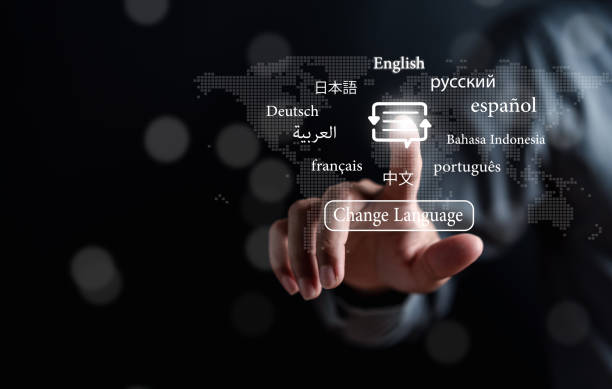
In today’s increasingly interconnected world, research is no longer confined by geographical boundaries or language barriers. The global exchange of knowledge is vital for scientific progress, medical advancements, and technological innovations. However, one of the biggest challenges in facilitating international collaboration is language. Translation plays a crucial role in ensuring that research findings are accessible to a wider audience, enabling the global scientific community to build on each other’s work.
In this article, we will explore the importance of translation in research, its challenges, and how it enhances the quality and impact of scientific work.
Why Translation Matters in Research
- Global Accessibility of Research Findings
Research, by its very nature, aims to answer questions, solve problems, and share insights that can benefit society at large. However, when research is conducted in one language and published solely in that language, its accessibility is limited to a specific group of people who speak that language. This creates barriers for researchers from non-native speaking regions who may miss out on important findings, preventing the global community from fully benefiting from the research.
By translating research findings, papers, articles, and publications into multiple languages, the knowledge becomes accessible to a wider audience, increasing its reach and impact. Translation ensures that research is not confined to a particular linguistic or cultural group but can be utilized globally, fostering international collaboration and the exchange of ideas.
- Encouraging Cross-Cultural Collaboration
Translation helps facilitate communication between researchers from different countries and cultures. For instance, a breakthrough in cancer research in Japan may have a significant impact on cancer treatment practices worldwide. However, if the research is only published in Japanese, scientists in countries like the United States, Brazil, or France may not be able to access it.
Through translation, researchers can share knowledge and collaborate on a global scale, pooling expertise and resources from diverse backgrounds. This collaboration is especially crucial in fields like medicine, climate science, and engineering, where global challenges require collective solutions. Translation thus becomes a key enabler of innovation, facilitating the sharing of valuable insights and collaborative work between international research teams.
- Improving the Quality of Research through Peer Review
Peer review is an essential part of the scientific process. It ensures that research is credible, reliable, and of high quality. However, the peer review process is often hindered by language differences, as researchers from different linguistic backgrounds may have difficulty understanding and critiquing each other’s work.
Translation makes it possible for a broader pool of experts to participate in peer review. By translating research papers into multiple languages, more researchers from diverse linguistic backgrounds can provide valuable feedback, strengthening the validity and quality of research. Additionally, translation allows researchers to benefit from the perspectives of international peers, leading to more comprehensive and robust research outcomes.
- Increasing Citation and Impact
In academic research, the number of citations a paper receives is often an indicator of its impact on the field. When a research paper is only published in one language, it may be cited only by those who speak that language, limiting its potential influence. However, when research is translated into multiple languages, it increases its chances of being cited by researchers from other countries, boosting its overall impact.
Translation helps ensure that groundbreaking research reaches as many scholars and professionals as possible, increasing its likelihood of being cited and incorporated into future studies. This amplification of research findings helps accelerate scientific progress and innovation, as new ideas build on the foundation of existing knowledge.
Challenges of Translation in Research
Despite the clear benefits, translating research comes with several challenges:
- Technical Terminology and Precision
Research papers often contain specialized terminology that may not have direct equivalents in other languages. Translating highly technical content, such as scientific terms, medical jargon, or legal language, requires a high level of expertise to ensure accuracy. A mistranslation of key terms could lead to misunderstandings or misinterpretations, affecting the quality of the research and its conclusions.
- Cultural Differences in Interpretation
Different cultures may interpret information in various ways. Translation goes beyond simple word-for-word conversion; it requires an understanding of the cultural context in which the research is being presented. For example, the way scientific data or conclusions are framed in one culture may not be acceptable or relevant in another. A translator with knowledge of both the subject matter and cultural nuances is essential to ensure that the research remains meaningful and respectful to the target audience.
- Cost and Time Constraints
Translation of research papers, especially long and technical documents, can be time-consuming and expensive. The translation process often involves more than just translating text; it may also require editing, proofreading, and formatting to ensure that the final document adheres to the standards of the target language. For researchers on tight budgets or timeframes, the costs associated with professional translation services can be a barrier.
Overcoming the Challenges: Best Practices for Translation in Research
- Engage Professional Translators with Expertise
To overcome the challenges of technical terminology and cultural nuances, researchers should engage professional translators with expertise in both the subject matter and the target language. A translator who understands the field of study will be better equipped to accurately translate complex concepts and technical terms.
- Use Translation Software and Tools
While human translation is essential for ensuring accuracy, translation software and tools can assist in the process. Software such as computer-assisted translation (CAT) tools, glossaries, and translation memory systems can help ensure consistency across translations and reduce errors, especially when dealing with large volumes of content.
- Collaborate with International Research Teams
Rather than relying solely on translations, researchers can collaborate with international teams to ensure that their work is understood across different linguistic and cultural contexts. Joint publications, multilingual conferences, and global research networks can help facilitate the exchange of knowledge and ideas in a more inclusive way.
Conclusion
Translation in research is more than just a tool for overcoming language barriers—it is a bridge that connects researchers, enhances collaboration, and accelerates the dissemination of knowledge on a global scale. As the scientific community continues to grow and diversify, the role of translation becomes even more critical in fostering international cooperation, improving the quality of research, and ensuring that groundbreaking discoveries benefit everyone, regardless of language or location.
By embracing the power of translation, researchers can ensure that their work transcends linguistic and cultural boundaries, making a meaningful impact on a global scale and contributing to the shared advancement of knowledge and innovation.

The Crucial Role of Third-Party Monitoring in Ensuring Accountability and Impact
Key Considerations When Chosing the Best Methodology for Humanitarian Assessments